
VRP for Logistics Ops: A Practical Guide to Multi-Stop Route Optimization
The Vehicle Routing Problem sounds academic. In practice, it's the difference between 180 and 145 truck-days per week for a regional distributor.
Route optimization, TMS integration, FMCSA HOS compliance, and LTL consolidation logic — the operational details that separate a 28% deadhead rate from a 12% one. Articles for dispatchers and transportation directors, not software reviewers.
The Vehicle Routing Problem sounds academic. In practice, it's the difference between 180 and 145 truck-days per week for a regional distributor.

Deadhead miles average 28% of total mileage for mid-market private fleets. Route optimization reduces that by 15-22%. Here's how the math works.
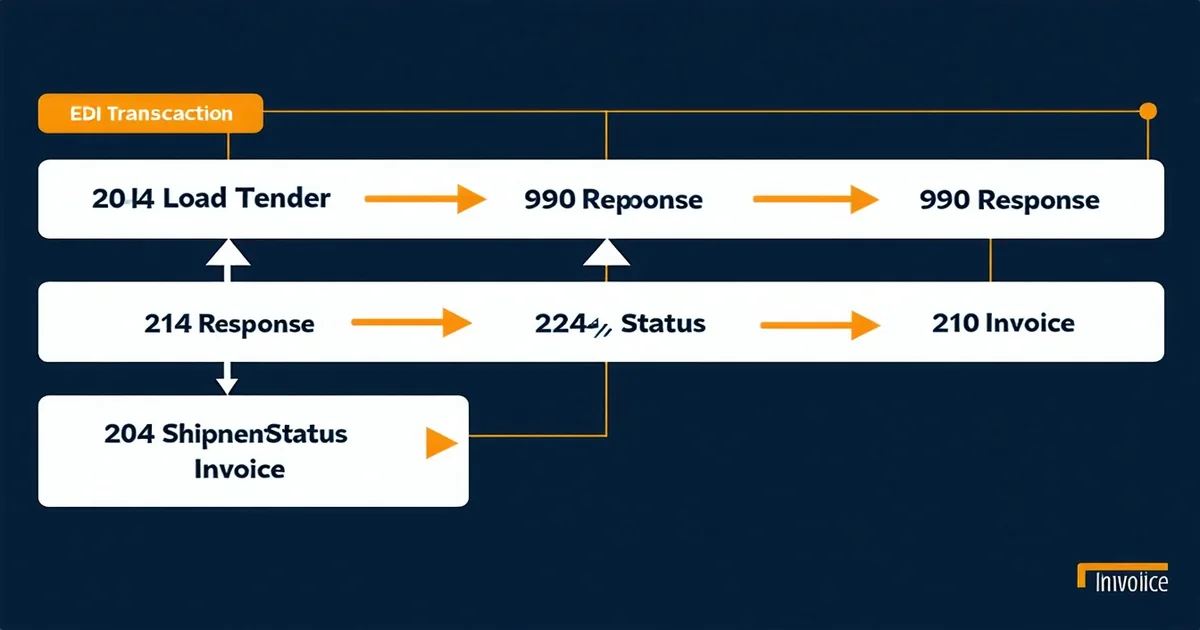
If you're evaluating a route optimization tool, the first question your IT team asks isn't about algorithms — it's about EDI.

The LTL vs FTL decision involves cube, weight, lane economics, time sensitivity — too many variables for a dispatcher to evaluate per shipment at scale.

Most shippers know HOS rules in theory. Few have a system that treats them as hard constraints during route generation — not a post-planning check.
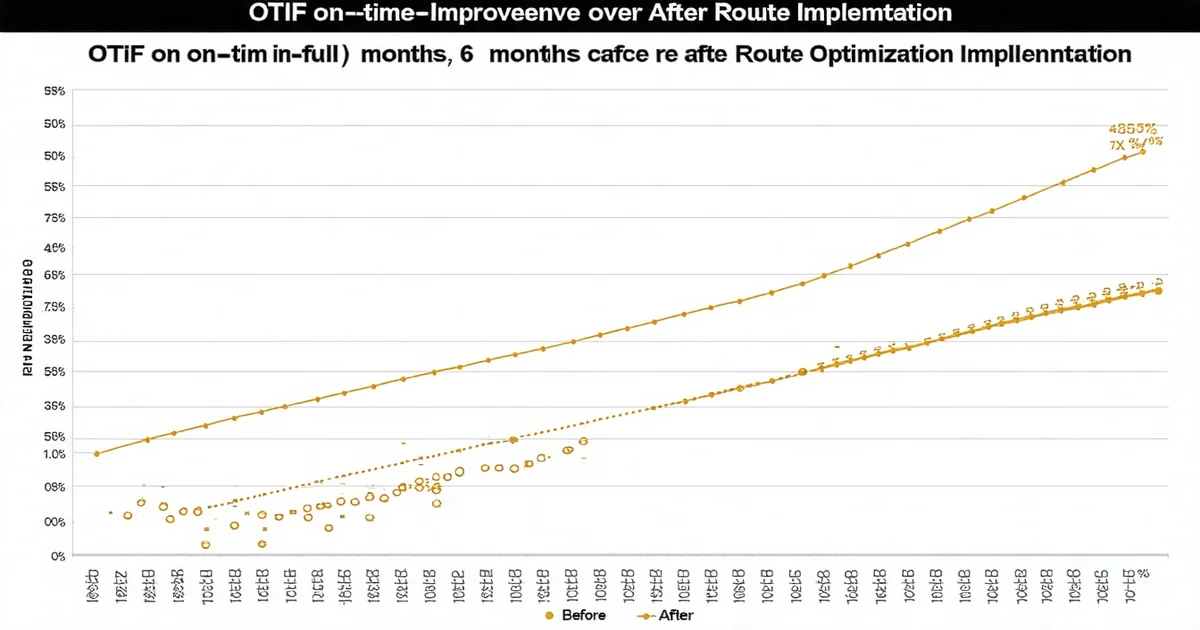
OTIF is the KPI your retail customers hold you to. When a weather delay or HOS violation threatens a delivery window, can your routing system respond in under 90 seconds?