
AI-powered, dispatcher-friendly tools that reduce route costs and exception handling — without the enterprise implementation timeline.
The dispatcher at a regional food distributor or private-fleet operator is not lacking intelligence or effort. They are working with tools that were never designed to make real-time routing decisions at scale. Static route tables built on historical averages do not adjust for a road closure at 6 AM. Spreadsheets cannot re-sequence 80 stops when a driver calls in sick at 7 AM.
Enterprise route optimization solves these problems — but at a price and complexity that assumes an IT department, a 6-month implementation window, and a dedicated administrator. That model serves less than 20% of the market.
Manual routing wastes 12–18% of fuel per route versus AI-optimized alternatives. Across a 100-vehicle fleet, that adds up to material cost variance every quarter.
Missed windows cost $85–$140 per incident in penalties and redelivery. Without real-time re-sequencing, dispatchers are always reacting rather than preventing.
Dispatchers at regional operations without dedicated optimization software spend 3+ hours each day manually rebuilding routes around exceptions — time that does not move freight forward.
Route optimization software designed for tier-one carriers assumes dedicated IT resources and 6-month implementation windows. Mid-market operations buy it, then stop using it.
Routevein connects to your existing TMS or accepts a simple stop manifest. The AI engine handles the rest in real time.
Shippers connect their TMS or upload stop manifests via CSV, API, or EDI 204. Routevein ingests shipment origins, destinations, time windows, vehicle capacity constraints, and driver schedules — without requiring IT support or custom integration work for standard TMS connections including Samsara, McLeod TMS, and MercuryGate.
Routevein's reinforcement-learning engine applies route optimization against live traffic feeds, historical delivery performance, and carrier pricing data. It generates multi-stop optimized sequences within seconds and continuously re-sequences in response to real-time exceptions — road closures, driver delays, or new order insertions — without requiring dispatcher intervention for each change.
Turn-by-turn optimized route manifests are delivered to the driver mobile app and dispatcher dashboard simultaneously. Stop-level ETA predictions with confidence intervals give dispatchers early warning of at-risk deliveries. Post-delivery analytics reports quantify cost-per-stop, on-time rate, and fuel burn versus baseline, creating a feedback loop that improves future route quality.
Each Routevein capability is designed to slot into an existing dispatch operation, not replace it.
Routevein's reinforcement-learning engine evaluates millions of route permutations against live traffic, historical performance, and vehicle constraints to produce the optimal stop sequence. Generation time is typically under 3 seconds from manifest submission.
Unlike static heuristic solvers, the optimizer continuously improves its predictions as it learns from each delivery outcome across your specific lanes, reducing average route cost 14% within the first 30 days of deployment in our early design partner cohort.
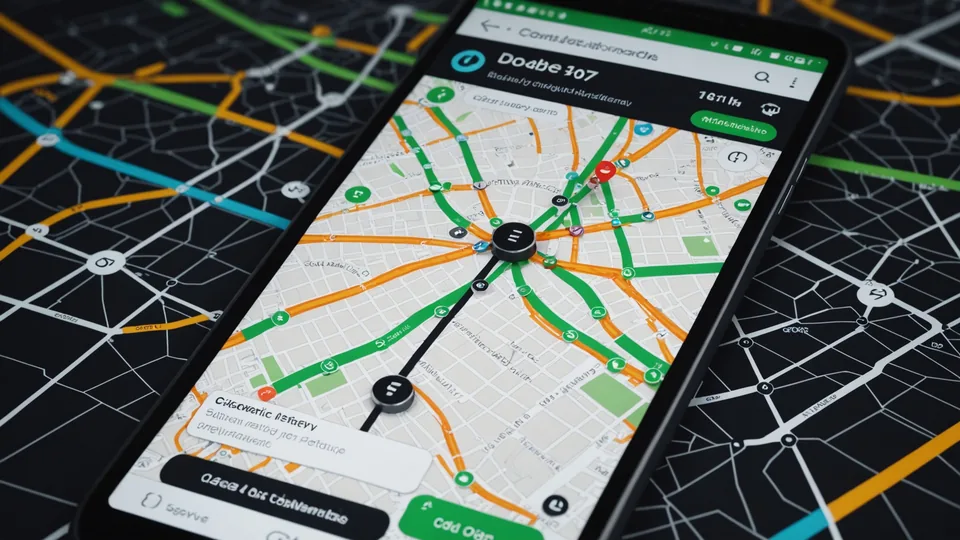
When a road closes, a new priority order arrives, or a driver runs behind schedule, Routevein instantly recalculates the optimal sequence for all remaining stops and pushes updated instructions to the driver app — no dispatcher phone call required.
Early design partners report a 60% reduction in manual re-routing calls to dispatch after adopting Routevein. Dispatchers shift from reactive exception management to monitoring the operation at a higher level.
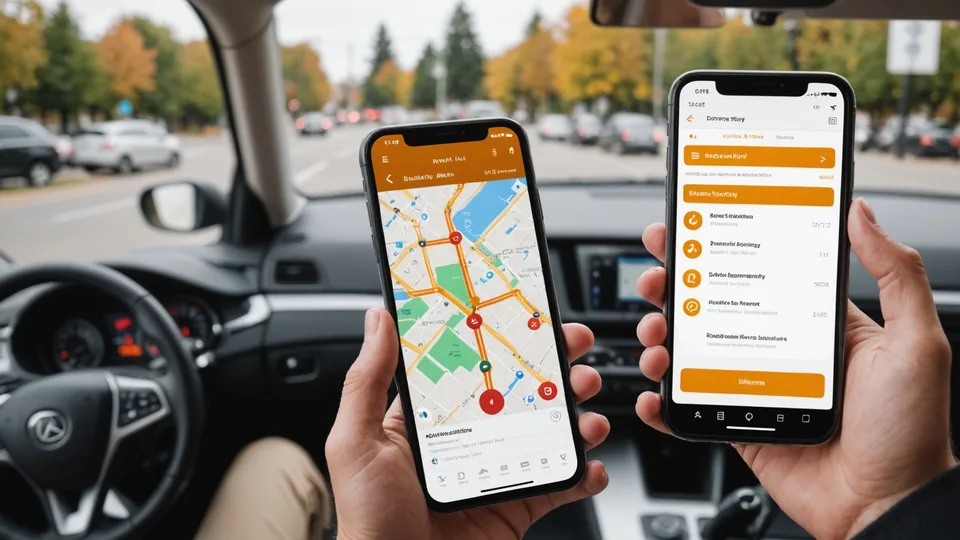
Routevein uses gradient-boosted models trained on 18 months of delivery history per lane to predict stop-level arrival times. Each ETA includes a confidence interval — not just a point estimate — that auto-triggers proactive customer notifications when a late delivery is likely before the customer calls asking.
Median ETA accuracy is ±7 minutes at the stop level in our design partner deployments. This confidence-band approach is what allows automated WISMO notifications that reduce inbound customer service call volume by up to 40%.
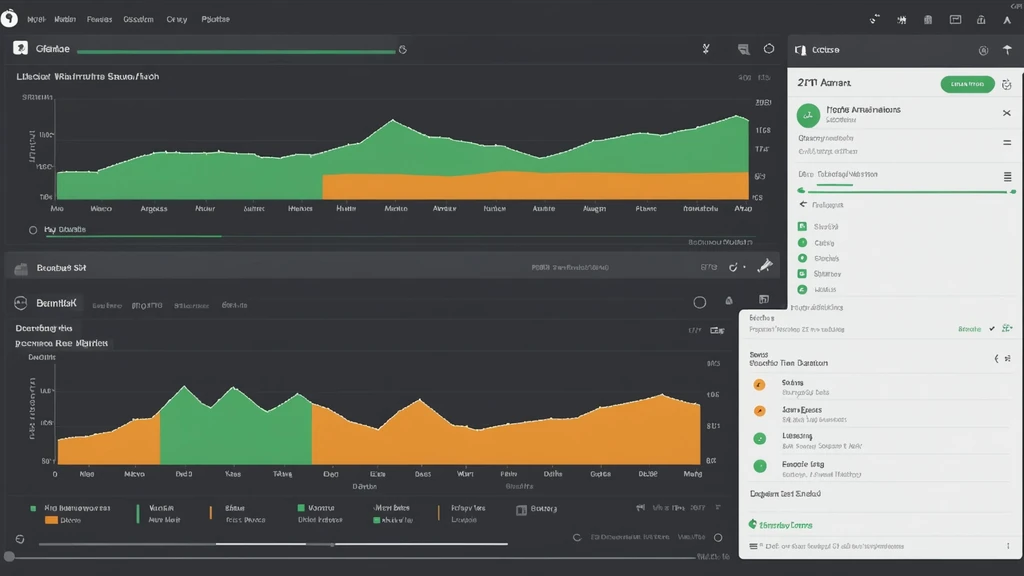
The web-based dispatcher console shows every active vehicle, stop status, and ETA deviation in real time on a live fleet map. Color-coded exception alerts surface which delays need human escalation versus which are being handled automatically by the re-sequencing engine.
Reassignment workflows let dispatchers reroute an entire driver's remaining stops to another vehicle in two clicks, maintaining delivery commitments without manual recalculation. The workflow was designed by observing how experienced dispatchers actually make reassignment decisions under pressure.
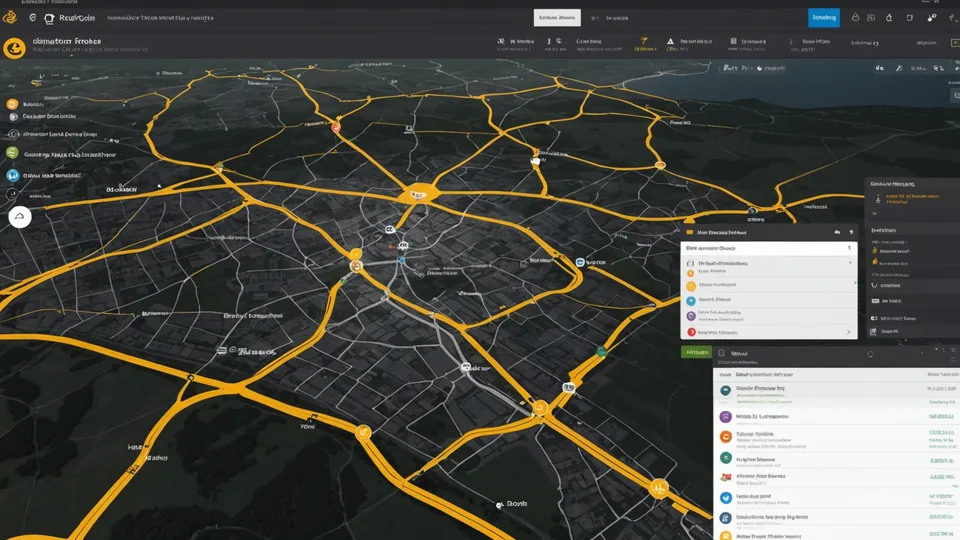
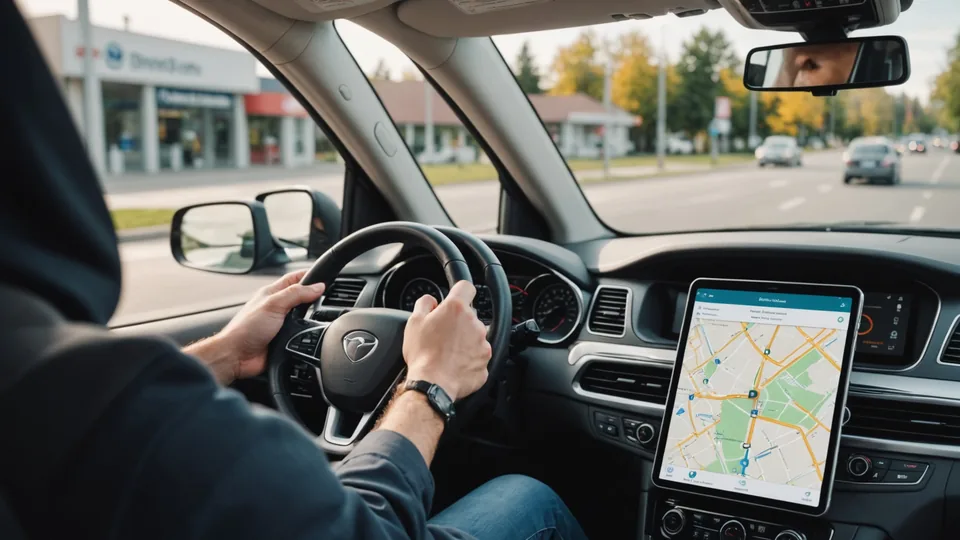
The iOS and Android driver app receives optimized manifests, turn-by-turn navigation, and real-time re-sequence updates without requiring phone calls to dispatch. Drivers see their next stop, estimated arrival, and any sequence changes the moment they are pushed from the optimizer.
Electronic proof of delivery is captured via photo and signature within the same app — eliminating paper BOLs and feeding delivery data back into the optimization model to improve future predictions on the same lanes.
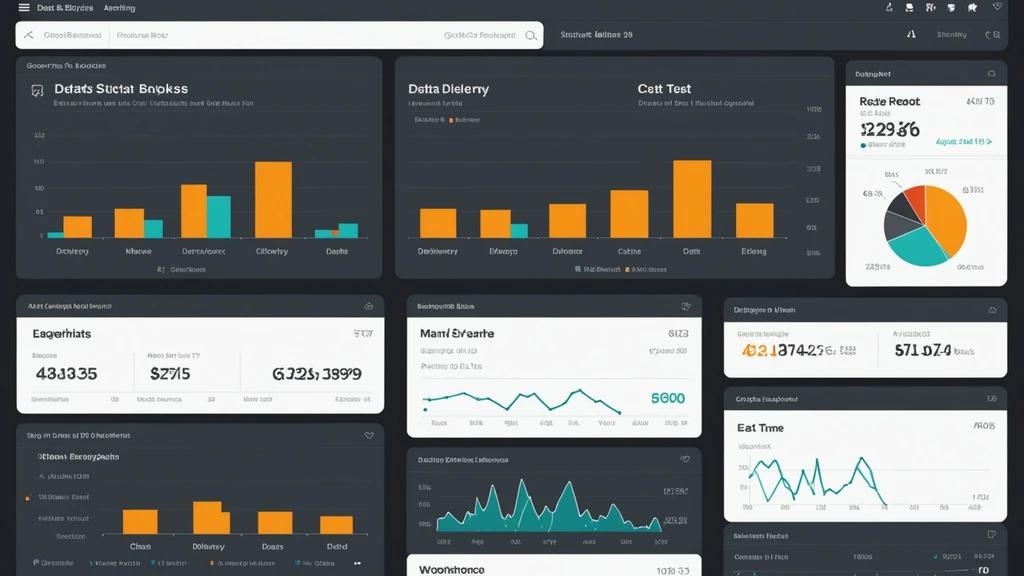
Routevein generates weekly and monthly analytics reports comparing actual versus baseline route costs, on-time delivery rates, fuel consumption, and stop density by geography. Every metric is traceable to the underlying delivery data.
Lane-level benchmarks show dispatchers where manual practices are outperforming the algorithm and where systematic changes would yield the highest returns — supporting continuous improvement cycles that compound over time rather than producing a one-time efficiency gain.
Routevein connects via standard APIs and EDI to the platforms most mid-market carriers already have. No custom middleware required for supported connectors.
A mid-market distributor, regional carrier, or private fleet operator running 50–500 power units with $5M–$100M in annual freight spend. Typically 3–12 dispatchers on staff, no dedicated route optimization software, and a growing gap between what your operation needs to compete and what manual tools can deliver.
You are not looking for another tool to manage — you are looking for a platform your team will actually open every morning because it makes their hardest job easier. Routevein is designed for that dispatcher who has 90 minutes to build 15 routes and needs the software to handle the logic, not hand it back as a problem to solve manually.
Our current early access cohort focuses on US Midwest regional food and consumer goods distributors, regional LTL carriers, and private-fleet operators. If that describes your operation, we want to talk.
Enterprise shippers with existing Ortec, Paragon, or Manhattan Associates deployments that are already configured for their operation — we are not designed to displace a working enterprise deployment.
Last-mile courier networks requiring micro-density crowd-sourced routing across thousands of daily stops — that is a different product category with different optimization requirements.
Asset-light brokers without control of driver dispatch — Routevein's value is in optimizing the routes your own drivers execute, not brokered loads.
Schedule a 30-minute demo. We will walk through how the optimizer handles your typical dispatch workflow and show you where the cost savings are likely to concentrate.